 Image 1 of 1
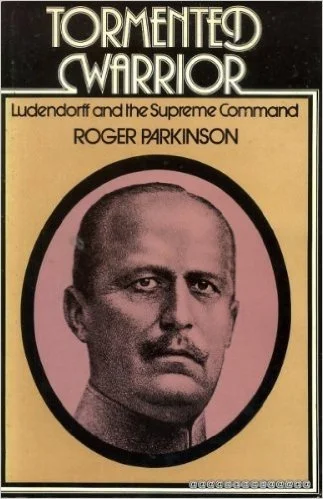
Few military commanders in history have wielded greater power than did General Erich Ludendorff in the closing days of World War One. He directed an army of five million men and, for more than a year, was the virtual dictator of Germany, controlling the day-to-day policies of the nation in the manner of Bismarck and eclipsing the Kaiser himself. Yet neither his military nor his political authority was officially conferred, and within weeks of the Armistice in November 1918 he was an exile fleeing for his life from those who he had previously looked to him for salvation
From that moment Ludendorff has been largely ignored or reviled. His reputation has been tarnished by wartime propaganda, and by the fact that he gave the prestige of his name to the post-war Nazi movement. Even his appearance has been used against him. With his close-cropped hair, hanging jowls and unrestrained paunch, his face flushing crimson, then purple, with rage beneath the pickelhaube helmet, he seemed in later life to be the archetypical Prussian officer, resembling the cartoon of the “Hun” drawn to entertain their British, American, Russian and French opponents