 Image 1 of 1
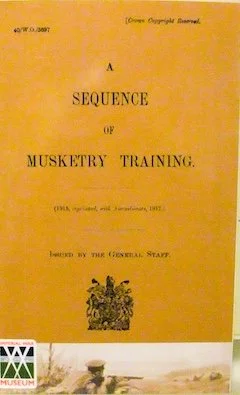
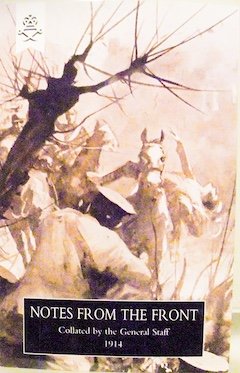
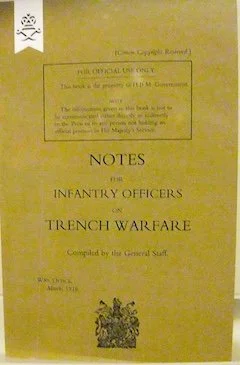
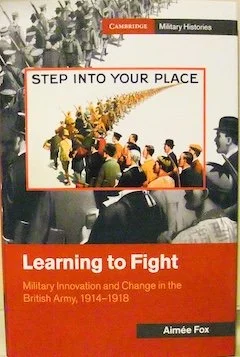
Based on the author’s PhD thesis, Learning to Fight is divided into two sections. The first, (about one third of the volume), deals with the culture of learning in the British Army in the years leading up to the war and how that changed during the conflict. The second part examines the relationship between the Western Front and the other theatres of war, particularly the Middle East and Salonika, and between the various Allied forces. Learning, innovation and adaptation are not concepts that we necessarily associate with the British army of the First World War. Yet the need to learn from mistakes, to exploit new opportunities and to adapt to complex situations are enduring and timeless. This revealing work is the first institutional examination of the army's process for learning during the First World War. Drawing on organisational learning and management theories, Aimée Fox critiques existing approaches to military learning in wartime. Focused around a series of case studies, the book ranges across multiple operational theatres and positions the army within a broader context in terms of its relationships with allies and civilians to reveal that learning was more complex and thoroughgoing than initially thought. It grapples with the army's failings and shortcomings, explores its successes and acknowledges the inherent difficulties of learning in a desperate and lethally competitive environment. This is an informative and thought– provoking volume, which provides sources which will be mined by others in the future. It has also, rightly, been shortlisted for the British Army Military Book of the Year 2018.