 Image 1 of 1
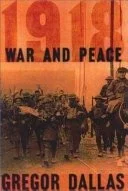
This book traces the transition from war to peace across Europe. It follows the movement of armies over the northern plains, their collapse, their demobilisation, and the effect this had on the material life of people. In Russia they had already been a revolution. In Germany, there were attempts to overthrow the provisional republican government. In Poland new wars broke out. At the same time there was celebration in the West at the announcement of the Armistice. And the United States entered European politics with a new part to play. Dallas follows these dramatic events from the perspective of five capitals: Berlin, Paris, London, Moscow and Washington. In Berlin the cabarets and beer halls open, while there is shooting in the streets. In Paris the peacemakers assemble to respond to the call for a League of Nations. Pantomime season opens in London, where Lloyd George holds elections and reorganises his War Cabinet; John Maynard Keynes of the Treasury worries about debts. Contemporaries described Moscow as the scene of desolation, but Lenin insists on setting up the Third International. Washington is divided between those who want to open America to the world, and those who would prefer the world to go away. This book weaves politics, ideas, social life, fears, aspirations, and harsh realities into a seamless reconstruction of life experienced at a great turning-point of history.