 Image 1 of 1
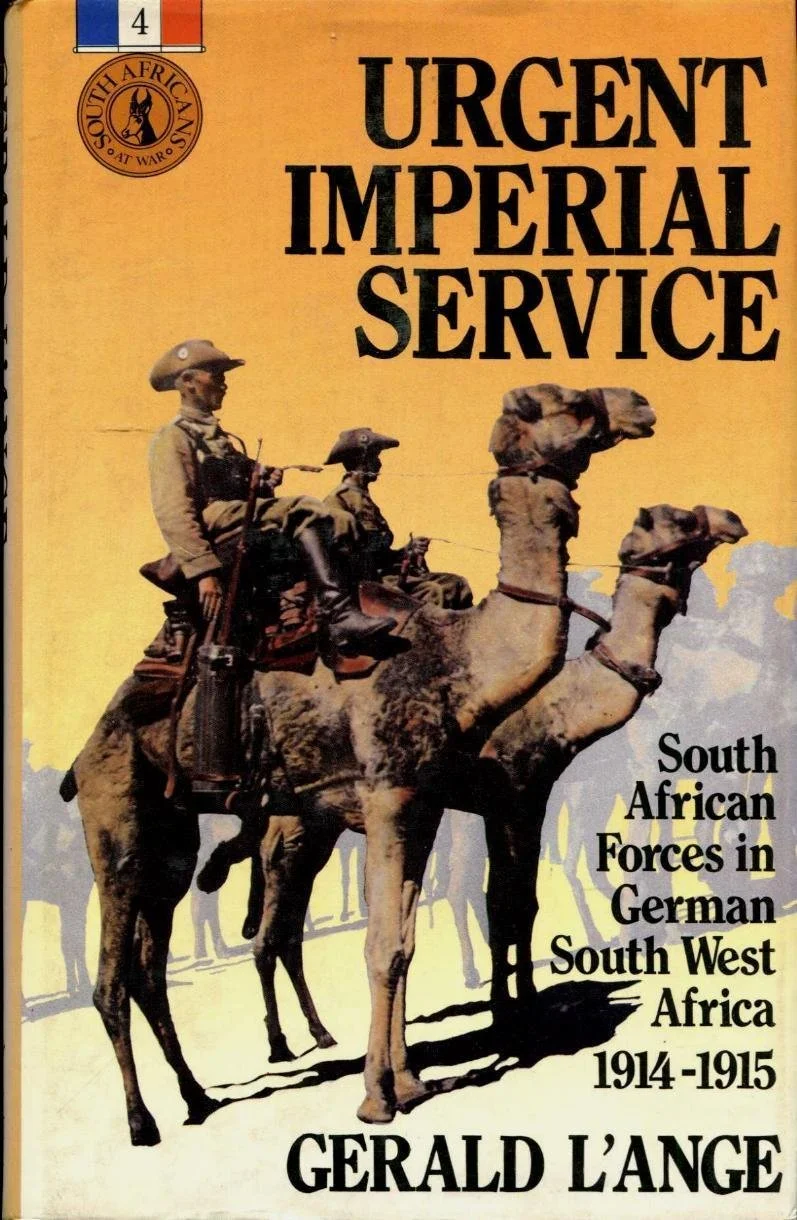
South Africa’s first entry into war was surreptitious. In 1914, without consulting Parliament of the public, the government of General Louis Botha committed the country to fighting for the British Empire against Germany in South West Africa.
Though ratified later by Parliament, the cabinet’s decision split a populace that was still trying to heal the wounds left after the Boer War. This. and the creation of the Union. ignited an armed rebellion that came close to civil war. And then, the rebellion put down. these same sworn enemies united with their English-speaking countrymen to fight against the Germans in South West Africa — under the Union Jack. Invading over the Orange River and from the sea, they fought their way across deserts that their enemy had considered impenetrable.
The Germans fought skilfully but had no counter to General Botha’s military brilliance. They were further thwarted by the dashing and unorthodox tactics of the commandos and the astonishing forced marches of the South African infantry. The campaign was overshadowed by, the bigger ones of the First World War and was largely overlooked afterwards by historians. Yet it was from this campaign that South Africa assumed the administration of South West Africa, which in turn led to the long-lasting dispute with the United Nations, and the final resolution — the emergence of independent Namibia.
The campaign was historic in other ways, too: it was the first fought by the South African Defence Force; it saw the birth of the South African Air Force and the first use of aircraft for military combat in Africa, when artillery shells were tossed out of open-cockpit biplanes because the aerial bomb had not yet been invented. It was the last great cavalry campaign before the horse was replaced by the motor vehicle, and it saw the first use of armoured vehicles in the continent.
South Africa’s first entry into war was surreptitious. In 1914, without consulting Parliament of the public, the government of General Louis Botha committed the country to fighting for the British Empire against Germany in South West Africa.
Though ratified later by Parliament, the cabinet’s decision split a populace that was still trying to heal the wounds left after the Boer War. This. and the creation of the Union. ignited an armed rebellion that came close to civil war. And then, the rebellion put down. these same sworn enemies united with their English-speaking countrymen to fight against the Germans in South West Africa — under the Union Jack. Invading over the Orange River and from the sea, they fought their way across deserts that their enemy had considered impenetrable.
The Germans fought skilfully but had no counter to General Botha’s military brilliance. They were further thwarted by the dashing and unorthodox tactics of the commandos and the astonishing forced marches of the South African infantry. The campaign was overshadowed by, the bigger ones of the First World War and was largely overlooked afterwards by historians. Yet it was from this campaign that South Africa assumed the administration of South West Africa, which in turn led to the long-lasting dispute with the United Nations, and the final resolution — the emergence of independent Namibia.
The campaign was historic in other ways, too: it was the first fought by the South African Defence Force; it saw the birth of the South African Air Force and the first use of aircraft for military combat in Africa, when artillery shells were tossed out of open-cockpit biplanes because the aerial bomb had not yet been invented. It was the last great cavalry campaign before the horse was replaced by the motor vehicle, and it saw the first use of armoured vehicles in the continent.